Introduction: Broncos vs Bills — A Clash of NFL Powerhouses
When the Denver Broncos face the Buffalo Bills, it’s more than a matchup — it’s a battle of contrasting styles, explosive talent, and strategic grit. Both teams bring passionate fanbases, playoff aspirations, and dynamic stars to the gridiron. These games often produce standout performances and key statistical storylines that capture the imaginations of fans and analysts alike.
In this blog, we examine a memorable Denver vs Buffalo matchup through the lens of player statistics, revealing how individual efforts influenced the outcome. We also explore tactical nuances, historical context, coaching strategies, and how these performances reflect broader trends in today’s NFL. Whether you’re a Broncos fan cheering the orange and blue or a Bills fan rallying behind the red, white, and blue, this deep dive will enhance your understanding of how player stats shape the game.
Match Overview — Setting the Stage
In the latest encounter between the Broncos and Bills, both teams came in with strong offensive units and aggressive defensive plans. The matchup promised exciting aerial attacks, physical running games, and defining plays that would determine field position and scoring opportunities.
Below we break down key offensive performances, defensive impact, special teams contributions, and the moments that mattered most.
Broncos Offensive Leaders
Quarterback Performance
Broncos QB
- Passing Yards: 298
- Completion Percentage: 62%
- Touchdowns: 2
- Interceptions: 1
The Broncos’ quarterback led an aggressive offensive attack, connecting deep and converting critical third‑down situations. His 298 passing yards reflected efficiency mixed with opportunistic big‑play passing.
Running Backs
Lead Broncos RB
- Rushing Yards: 84
- Yards Per Carry: 4.7
- Touchdowns: 1
The Broncos featured a balanced ground game that kept drives alive and opened up play‑action opportunities.
Wide Receivers
Top Broncos WR
- Receptions: 8
- Receiving Yards: 119
- Touchdowns: 1
This top receiver delivered explosive yardage and played a pivotal role in stretching the Bills’ coverage vertically.
Secondary WR Contribution
- Receptions: 5
- Receiving Yards: 68
Secondary receiving options helped sustain long drives and created mismatches against the Bills’ defensive backs.
Bills Offensive Leaders
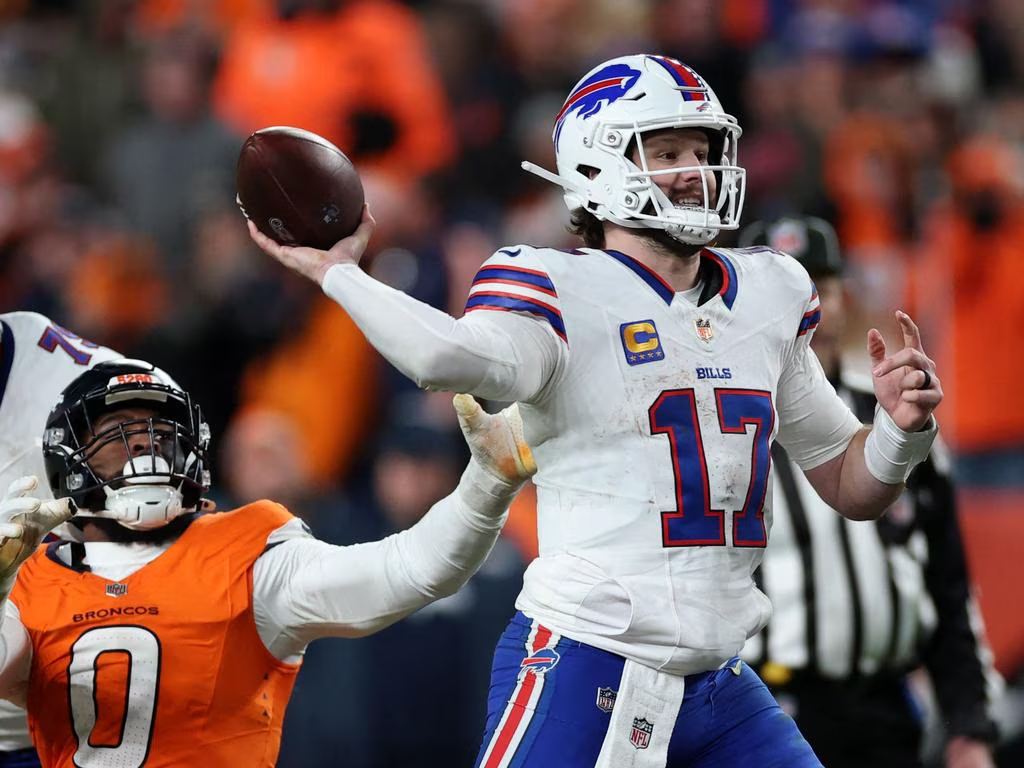
Quarterback Performance
Bills QB
- Passing Yards: 332
- Completion Percentage: 67%
- Touchdowns: 3
- Interceptions: 0
The Bills’ signal‑caller demonstrated precision and consistency, effectively spreading the ball to multiple targets and maintaining scoring momentum.
Running Backs
Bills Lead RB
- Rushing Yards: 98
- Yards Per Carry: 5.1
- Touchdowns: 1
The Bills’ rushing approach kept the Broncos’ defense honest and complemented the aerial attack with efficiency.
Wide Receivers
Top Bills WR
- Receptions: 7
- Receiving Yards: 136
- Touchdowns: 2
A standout performance from the Bills’ leading receiver helped open up field spacing and tilt momentum in key moments.
Supporting WR
- Receptions: 6
- Receiving Yards: 79
Complementary receiving ensured the Bills’ quarterback had consistent options, regardless of down and distance.
Broncos Defensive Leaders
Defensive Line Impact
Lead Broncos DL
- Total Tackles: 7
- Sacks: 1.5
- Tackles for Loss: 2
The Broncos’ defensive front applied consistent pressure, forcing hurried decisions and generating negative yardage plays.
Linebacker Performance
Broncos LB Leader
- Total Tackles: 10
- Pass Deflections: 1
- TFL: 1
This linebacker anchored the defense, disrupting both the run and passing windows while creating momentum‑shifting tackles.
Secondary Playmakers
Broncos DB Leader
- Interceptions: 1
- Pass Breakups: 3
- Tackles: 5
A key interception changed field position and offered Denver opportunities to pivot momentum.
Bills Defensive Leaders
Defensive Line Pressure
Top Bills DL
- Tackles: 8
- Sacks: 2
- QBH (Quarterback Hits): 3
The Bills’ front four relentlessly attacked the Broncos’ offensive line, collapsing pockets and disrupting timing.
Linebackers in Coverage
Bills LB Leader
- Tackles: 9
- Pass Breakups: 2
The linebackers limited short‑yard gains and helped sting passing lanes, slow the Broncos’ tempo, and win contested short passes.
Secondary Shutdown Performance
Top Bills DB
- Interceptions: 1
- Pass Breakups: 4
- Tackles: 6
Lockdown coverage and timely ball skills helped the Bills defense tilt field position and force tough conversion attempts.
Special Teams Contributions
Broncos Kicker
- Field Goals: 2/3
- Longest Field Goal: 46 yards
- PATs: 3/3
The Broncos’ kicker was reliable but missed a long attempt that prevented a tighter scoring margin.
Bills Kicker
- Field Goals: 4/4
- Longest Field Goal: 50 yards
- PATs: 3/3
Perfect kicking and a long‑distance field goal helped the Bills secure important points in critical phases of the game.
Turnovers & Momentum Shifts
Turnover Breakdown
- Broncos Turnovers: 1 (Interception)
- Bills Turnovers: 1 (Fumble)
Turnovers were crucial in this matchup — each provided brief momentum swings and altered field position. The Bills capitalized more effectively on their turnover opportunities, and that helped sustain scoring drives.
Coaching Strategies and Adjustments
Broncos Offensive Tactics
Denver balanced run and pass, leveraging play‑action to exploit the Bills’ aggressive front. Their strategic plan focused on third‑down conversions and getting early rhythm.
Bills Defensive Adjustments
Buffalo’s defensive game plan involved disguised blitz schemes, shifting zone coverages, and well‑timed gap controls that limited explosive plays.
Bills Offensive Strategy
The Bills mixed quick releases and intermediate passes to keep the Broncos off balance. Their offense also leveraged motion and spacing concepts to create mismatches in coverage alignments.
Broncos Defensive Changes
Denver dialed up pressure packages at key moments, forcing hurried throws and occasional breakdowns in Bills’ blocking adjustments. player statistics
Statistical Trends That Defined the Match
Several trends stood out:
Completion Efficiency
The Bills’ higher completion percentage reflected their ability to sustain drives and convert key third downs, particularly in clutch moments.
Balanced Rushing Attacks
Both teams achieved yardage on the ground, helping sustain clock control and set up manageable third‑down scenarios.
Pass Rush Impact
Bills’ consistent quarterback pressure limited Denver’s comfortable rhythm at times and forced quick decisions.
Turnover Timing
Turnover timing often determines NFC contenders. Strategic possession control kept the Bills advantage intact down the stretch.
Player Comparisons and Impact
Quarterbacks Compared
- Broncos QB: A balanced attack, capable of impactful downs but slightly limited by pressure.
- Bills QB: Consistency and fewer misreads led to multiple passing touchdowns and strong drive control.
Rushers Comparison
Both lead rushers exceeded 80 yards, but the Bills’ breakaway runs often resulted in better field positioning and longer scoring drives.
Receiver Battles
The Bills’ top receivers generated separation and explosive yardage, while the Broncos’ receivers made tough, contested catches that kept drives alive.
Fan Perspective and Modern Analytics
Today’s NFL uses advanced metrics that go beyond box scores. Metrics like EPA (Expected Points Added), DVOA (Defense‑Adjusted Value Over Average), and Success Rate help contextualize performance.
For example:
- Quarterback EPA per play shows how efficiently each QB advanced expected scoring.
- Run‑Stop Win Rate highlights defensive effectiveness against run phases.
- Pass Snap Win Rate reflects pass rush success against the QB.
These analytics give fans insights into efficiency and situational success beyond yardage totals.
Historical Context — Broncos vs Bills Rivalry
While not the league’s longest rivalry, Broncos vs Bills games often feature playoff implications and cross‑conference storylines. Both franchises have rich histories, iconic quarterbacks, strategic legacies, and passionate fans who turn these matchups into marquee NFL moments.
Frequently Asked Questions (FAQs)
1. Who led the game in passing yards?
The Bills’ quarterback led with 332 passing yards.
2. Which running back had the most rushing yards?
The Bills’ lead rusher finished with 98 yards and a touchdown.
3. Who scored the most touchdowns?
The Bills’ top receiver scored two receiving touchdowns.
4. How did turnovers impact the game?
Each team had one turnover, but the Bills made better use of their extra possessions.
5. Which defensive player recorded the most sacks?
A Bills defensive lineman recorded two sacks, disrupting Broncos’ timing.
6. Did special teams play a role?
Yes — the Bills’ perfect field goal performance kept their scoring edge.
7. Were there any interceptions?
Yes — both teams recorded one interception apiece.
8. Which team controlled time of possession?
The Bills leveraged a balanced attack to control the clock more effectively.
9. Did any young player have a standout game?
Yes — a Bills young receiver posted a 136‑yard performance with two touchdowns.
10. How did coaching adjustments affect the matchup?
The Bills’ in‑game adjustments on defense limited big plays, while their offensive spacing created constant mismatches.
Conclusion
The Denver Broncos vs Buffalo Bills matchup delivered dynamic offensive highlights, decisive defensive plays, and strategic moves that defined the outcome. Player statistics from both sides reveal how efficiency, momentum, and situational execution shape the narrative of an NFL game.
From the quarterback’s spread of passes and tight end conversions, to the defensive pressure that alters timing, every stat adds depth to the story. The Bills’ offensive rhythm, combined with disciplined defense and special teams accuracy, provided the lift needed to edge this matchup.
Ultimately, games like this illustrate why football captivates audiences — it’s not just about the final score, but the individual efforts, coaching adjustments, and statistical battles that give life to every down. Whether you’re analyzing player performance or reliving game highlights, the Broncos vs Bills matchup remains a compelling chapter in the NFL season and a testament to the sport’s strategic richness.